Costa Rica
Between Beaches & Jungle — From the Nicoya Peninsula along the Pacific Coast to Bahía Drake
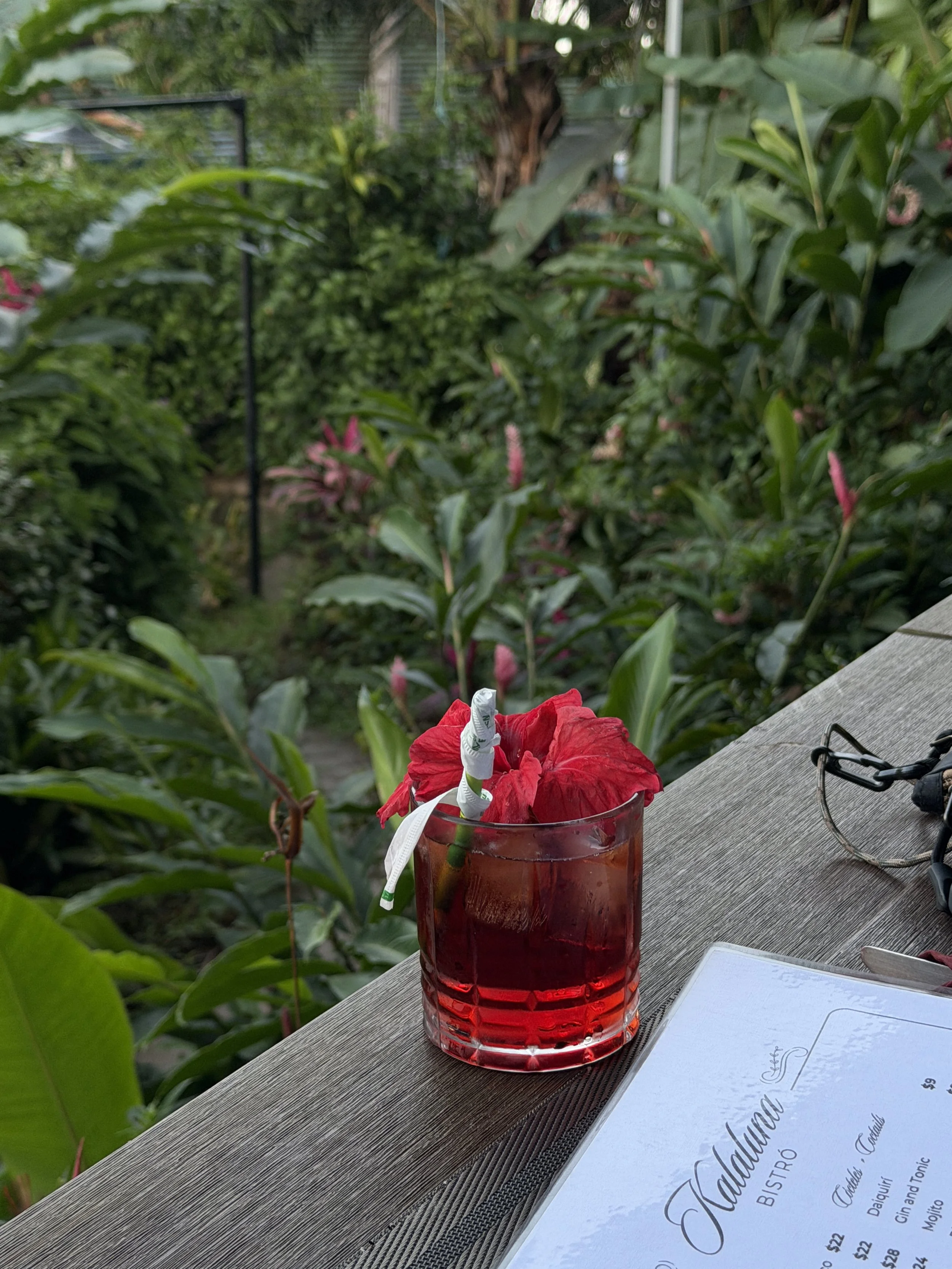
We mostly come to Costa Rica during european winter. This time we followed the rhythm of the Pacific coast, beginning in the effortlessly cool surf town of Santa Teresa and slowly traveling south toward the raw, untouched beauty of Bahía Drake (Drake Bay).
Costa Rica is a country we return to again and again, not only for its natural beauty but for what it stands for. More than 50% of the land is protected as national parks and reserves. The absence of a military is not felt as a lack, but as a conscious choice—one that allows investment in education, healthcare, and community. Public education is free, accessible to all, and compulsory through secondary school, shaping a society rooted in opportunity rather than force.
What makes Costa Rica truly exceptional is the quiet harmony between humans and wildlife. Here, coexistence is not a concept—it’s a way of life. There is a deep, collective understanding that respect for the land and its inhabitants creates an ecosystem that thrives, breathes, and sustains itself.
The warmth of the people is unmistakable. Kind, open, and genuinely welcoming, Costa Rica feels safe in a way that goes beyond statistics. It is a place where women can travel with ease, where families feel protected, and where trust still exists in everyday encounters.
After many years of returning, Costa Rica has become more than a destination for us. It is a reminder of how life can feel when it is lived with intention, respect, and balance. A place where time slows down—and where we always seem to find our way back.
Pura vida
Helpful Tips
How do I get to Costa Rica?
Getting to Costa Rica by plane is easy, with two main international airports to choose from: Juan Santamaría Airport near San José in the central valley, and Daniel Oduber Quirós International Airport up north in Liberia.
From Switzerland, Edelweiss offers direct flights to both airports—a real bonus if you’re traveling with sports gear, since they allow you to bring it for free.
If you’re coming from elsewhere, there are plenty of connecting options via Madrid, Frankfurt, or the United States, making Costa Rica surprisingly accessible no matter where you’re coming from.
Arriving in San José
It really depends on your arrival time. Many flights from Europe don’t get in until the evening, so if you need a place to stay for the night—or just want to rest after a long flight—we recommend this hotel. It also has a well-equipped Gym, perfect if you wake up early from jet lag, and the breakfast is excellent.
There is a free shuttle from the airport to the hotel every 20 minutes
Adapter needed?
Coming from Europe yes!
Type A/B, 120 V/60 Hz — adapter needed
Currency
Colones (CRC) & Dollars (USD)
You can pay with both currencies, but prices are often listed in colones, so if you pay with colones, you save yourself the hassle of converting.
How do i get around in Cost Rica?
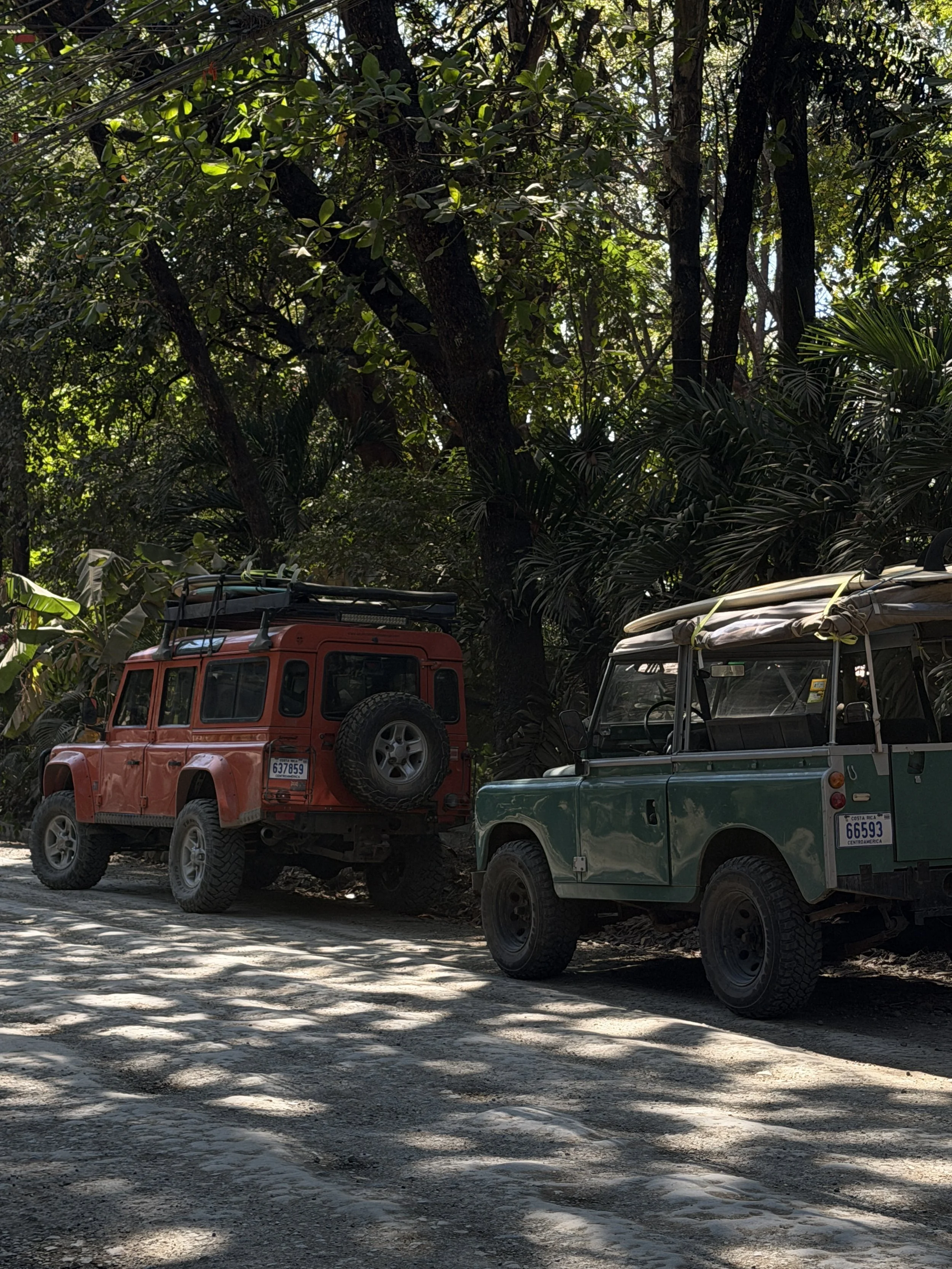
To truly explore Costa Rica at your own pace, we recommend renting a car. Buses can get you from A to B, but they can’t offer the freedom to linger where you want, or the flexibility to follow the journey wherever it takes you.
We highly recommend a 4x4
Hotel or Airbnb?
The choice often depends on the destination and the kind of experience you’re seeking. While both are worth exploring, we’ve found that in Costa Rica, Airbnb tends to offer the most rewarding stays—from thoughtfully designed homes tucked into the jungle to spacious villas with room to truly unwind, offering privacy and comfort.
What is the fastest way to get to the Nicoya Peninsula by car?
If you’re heading to the Nicoya peninsula from San José, the easiest way is to take the ferry in Puntarenas, which runs several times a day. The crossing takes about an hour, and you can conveniently book tickets online here:
What is the fastest way to get to the Nicoya Peninsula by Plain?
From San José’s domestic airport, small planes—usually carrying up to 10 passengers—fly several times a day to various destinations on the peninsula. The flights are short, usually less than 50 minutes, making them a fast and convenient way to reach your destination.
A quick note: these are very small planes, so they can feel a bit shaky. It’s important to be free of vertigo or flight anxiety, but rest assured—they are very safe and the quickest way to cross to the peninsula.
There are two companies that offer these flights:

Is Costa Rica safe to travel to?
Costa Rica feels safe, and its people are often warm, honest, and welcoming, which makes traveling here a true pleasure. Of course, a little common sense goes a long way: avoid driving at night, skip lonely walks on the beach after dark, and never leave valuables in your car. Wearing flashy jewelry or showing expensive gadgets is best avoided.
Some towns, like Jacó or Puntarenas, require a bit more attention, but overall, compared to many other countries in Latin and South America, Costa Rica is remarkably safe. Travel with awareness, trust your instincts, and you’ll feel free to explore this beautiful country at your own pace.
Scorpions and tarantulas are the most commonly seen frightening animals but:
Found throughout the country. Their venom is not poisonous/deadly but can be painful, like a bee sting. Always shake out your bed before sleeping and check your shoes before stepping in. For children (0-12) or allergy sufferers, see a doctor immediately if stung.
Here’s a small but important tip:
Pick up a few Ziplock bags at the supermarket. Costa Rica is lush, and you’re almost always close to the jungle, which means insects—especially ants—are never far away. They can smell exposed food from a distance!
After cooking or cutting fruit, be sure to clean your surfaces thoroughly with water. Store any leftovers or opened food either in the fridge or in a sealed Ziplock bag to keep your meals safe and ants-free.
Let The Journey Begin!
SANTA TERESA
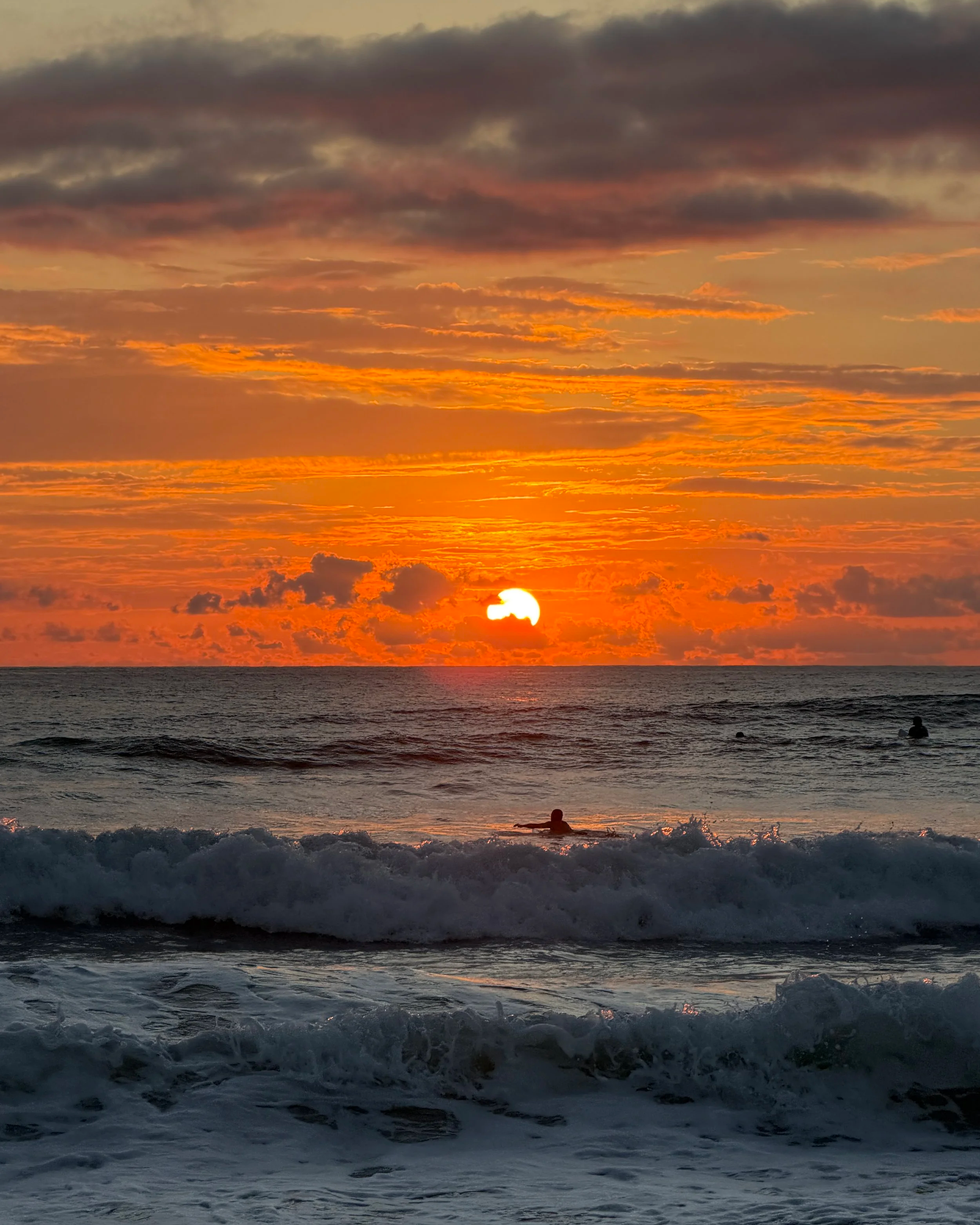
A small surf town that has steadily grown in popularity over the years. A decade ago, it was mostly a quiet spot for surfers and expats, but today it draws a wider range of travelers, including those seeking a trendy, laid-back coastal vibe.
Despite its growth, the town remains beautiful and generally clean, with plenty of charm. You can now book lovely hotels, but in terms of value for money, Airbnb still has the edge—and there are some truly amazing properties available. Just be sure to book your accommodation early, especially during the high season from December to March. The town is still relatively small, and despite its growing popularity, good-value options are limited. Compared to other areas in Costa Rica, Santa Teresa is slightly more expensive, which is worth keeping in mind when planning your trip.
For families traveling with children, Santa Teresa is particularly convenient. There’s a wide range of dining options, and a pharmacy and doctor’s office are never far away, which provides peace of mind for parents. We’ve needed medical care ourselves during our stay and have listed our favorite doctor below.
Payment immediately after treatment with cash or card
Because there’s no public transportation in Santa Teresa, we recommend renting a quad or 4x4 vehicle. Many accommodations are located up the hills, making your own transport essential to fully enjoy the area. Nowadays, you can even rent a car in Santa Teresa, which lets you skip the long drive from San José to Puntarenas to catch the ferry. If you’re exploring other parts of the country, you can drop the car off at a different location, making travel flexible and stress-free.
Santa Teresa is a wonderful destination for families, solo travelers, and groups of friends—especially for those who want to enjoy a jungle setting without giving up comfort. Even while surrounded by nature, you’ll find well-equipped gyms, Pilates studios,cute shops etc. making it easy to maintain your routines while on holiday.
Yoga classes, surf lessons, and horse-riding excursions can be effortlessly booked throughout town, adding both adventure and relaxation to your stay.
Book your taxi with Gilberto if you are arriving on the peninsula by plane. He will be happy to drive you to Santa Teresa. Just WhatsApp him +506 8826-9055
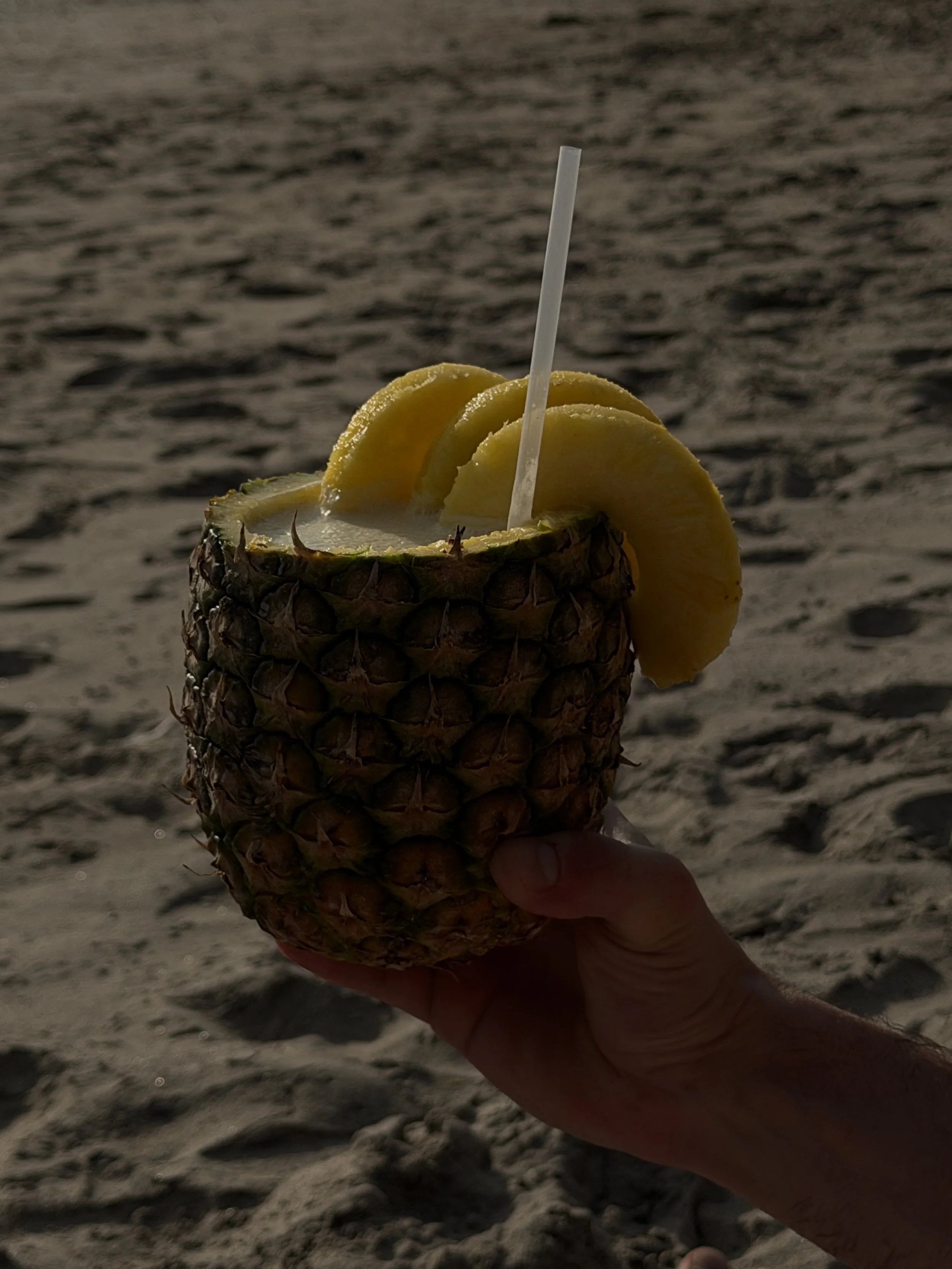
UVITA
The drive from Santa Teresa to Uvita takes around seven hours, including the ferry. Uvita itself is a small town with an emerging food scene, still very much in its early stages. We enjoyed our time here, even though it’s probably not a place we would return to. Taste is personal, of course, but for us the restaurants and cafés felt a little too spread out, and overall, the town lacked the charm we were looking for. Next time, we would likely choose nearby Dominical instead, which feel more cohesive and atmospheric.
That said, we came to Uvita for one very special reason: to witness humpback whales in their natural habitat—and it was absolutely worth it. Seeing them was an unforgettable experience and something we would happily do again in a heartbeat.
We booked our tour with Dolphin Tours, a company known for treating the whales with great care and respect, which mattered a lot to us and made the experience even more meaningful.
Another highlight of our stay in Uvita was our Airbnb, tucked away in the jungle. Staying in a house surrounded by nothing but nature felt truly special—quiet, peaceful, and completely removed from everyday life. Wildlife was everywhere, with animals moving freely around the property, especially toucans!
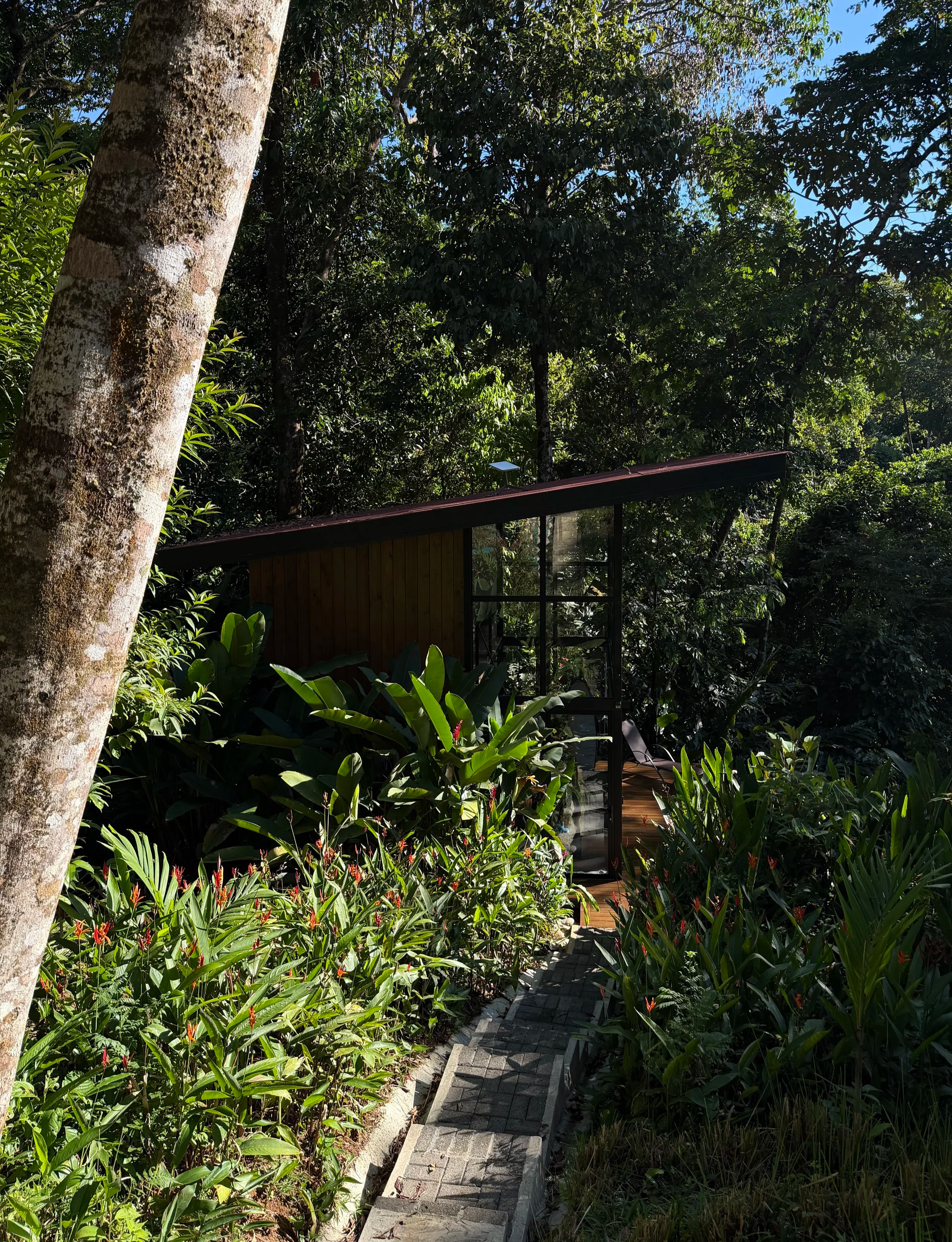
BAHIA DRAKE (DRAKE BAY)
First things first:
In Bahía Drake, many places do not accept cards, so be sure to bring enough cash. (Colones or Dollars- both work) Where cards are accepted, there is often a 13% surcharge.
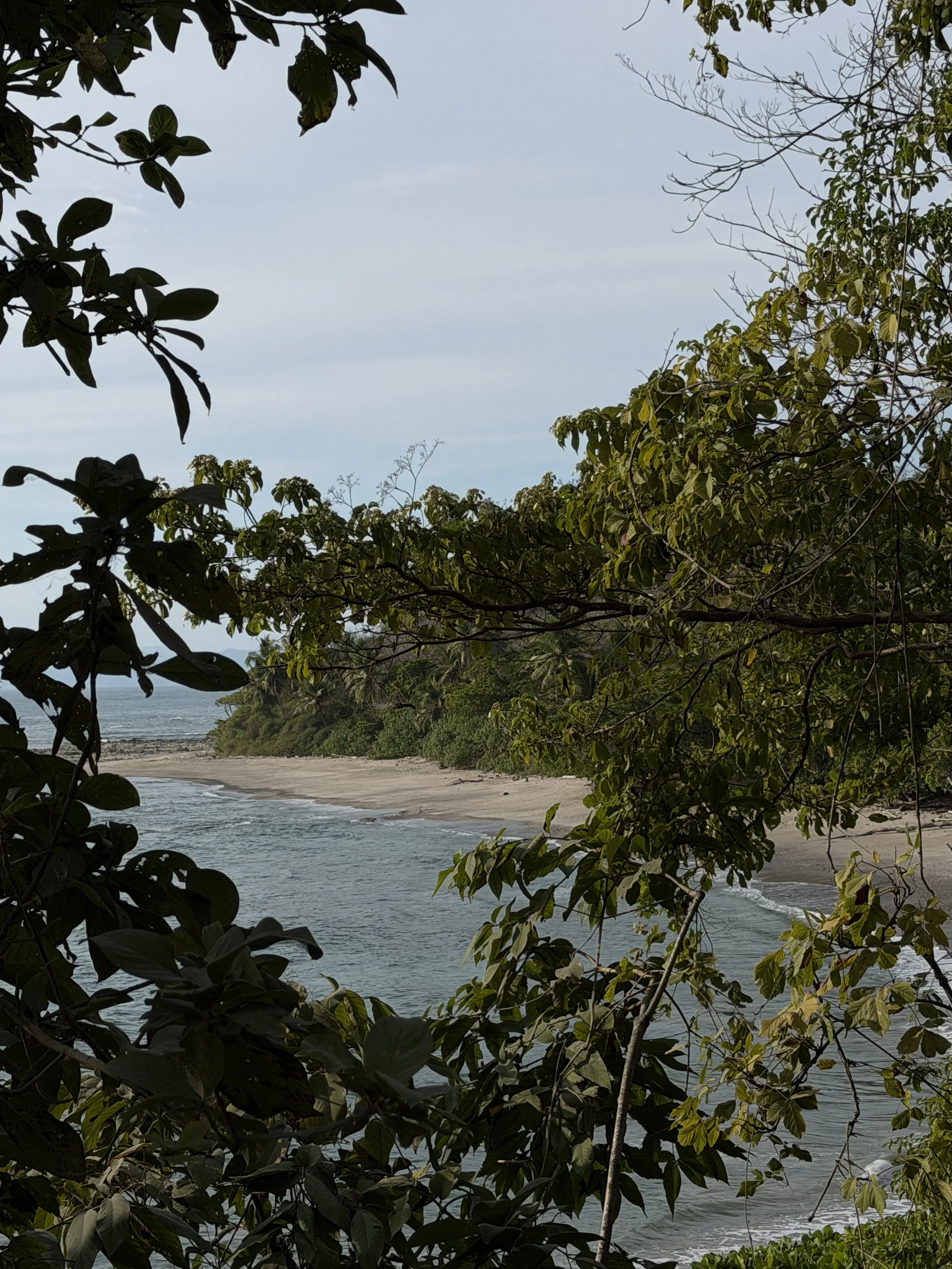
Bahía Drake, far down in the south, is one of the most untouched places in Costa Rica—and truly one of the most beautiful places we’ve ever been. Calm, deeply relaxed, and still remarkably untouched, it feels like a destination where time slows down.
Think slow mornings, jungle sounds, salty air — and absolutely zero stress. No tourist shops, no fancy cafés, no trendy restaurants. Just simple, local sodas and a very chilled vibe.
You can reach Bahía Drake by boat, one of the small planes as mentioned before, or car. We chose to drive, and despite what many blogs might say about avoiding the road, it was surprisingly easy. From Uvita, it’s about three hours by car, including roughly one hour on a gravel road—but it was completely manageable and made for a scenic, stress-free journey.
In Bahía Drake, luxury hotels or villas with pools are rare—it’s lodges that set the tone here, blending into the jungle and focusing on nature rather than flashy amenities but still amazing. We stayed at one of these lodges and were more than satisfied, especially with the location, which offered both privacy and easy access to the surrounding Cafes, restaurants and wildlife.
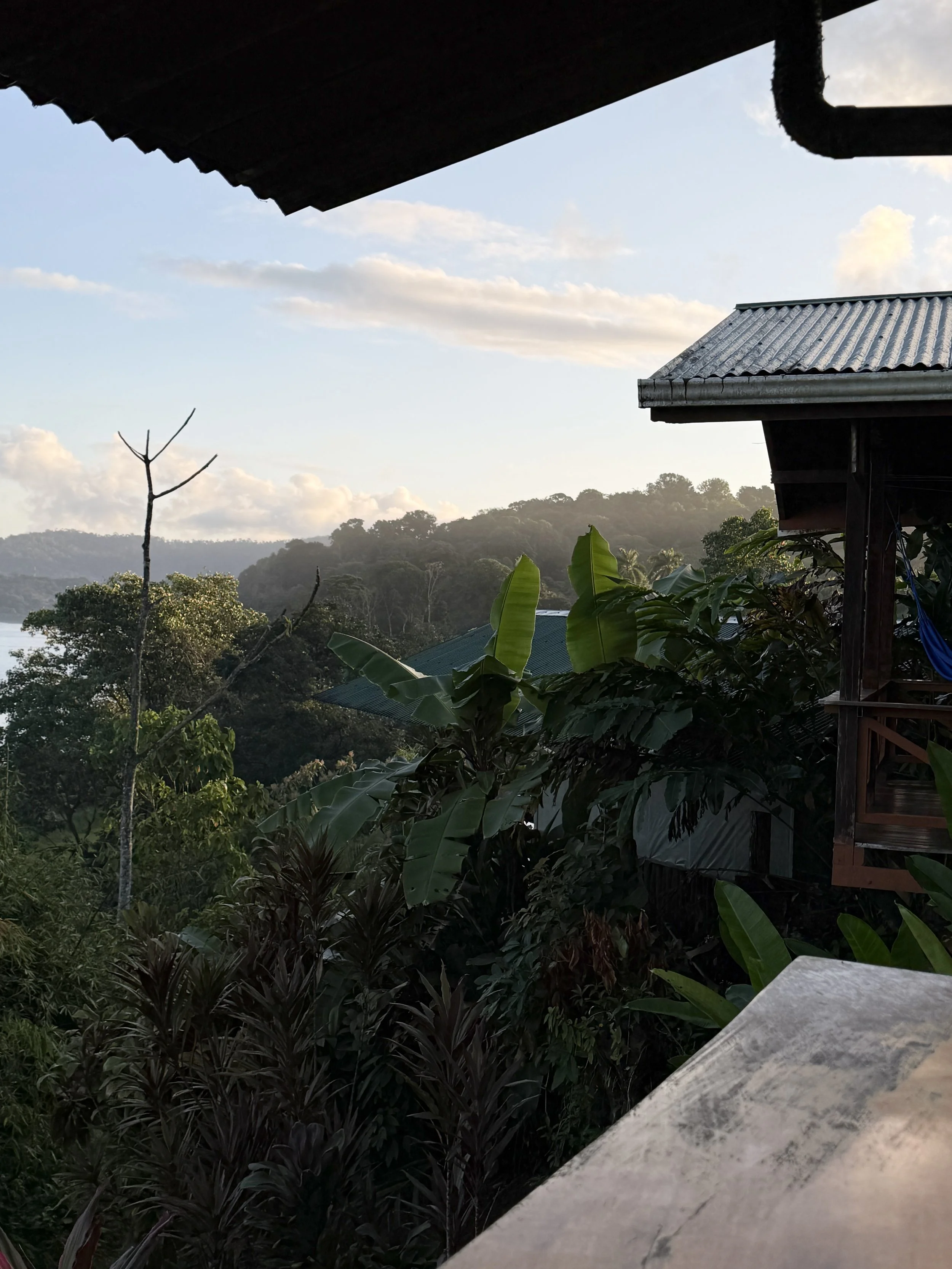
Bahía Drake is also home to Corcovado National Park, the wildest of all national parks in Costa Rica, which hosts an astonishing 2.5% of all species in the world. Many lodges offer the option to book tours directly through them, which is exactly what we did—and we were very happy with the experience. It made exploring this incredible, biodiverse paradise seamless and stress-free.
Important note:
The national park can only be visited with a guide. Rules are strict: no plastic bottles or snacks are allowed, lunch is provided at the base camp, backpacks are checked, and your passport number must be registered on site. These measures help protect one of the most biodiverse places on Earth.
If it rains, or if you simply want a slower day spent connecting with local life, a visit to Rancho Quemado is a must. This small community of around 200 people, about 40 minutes inland, offers a genuine glimpse into rural Costa Rican life.
You can join cooking classes, visit a traditional milk farm, or tour a sugarcane mill—we chose the sugarcane experience and were absolutely delighted.
Seeing the process up close, and chatting with the locals was incredibly engaging. It gave us a real sense of the rhythm of life here, and a deeper appreciation for the people and traditions that sustain this part of the country.
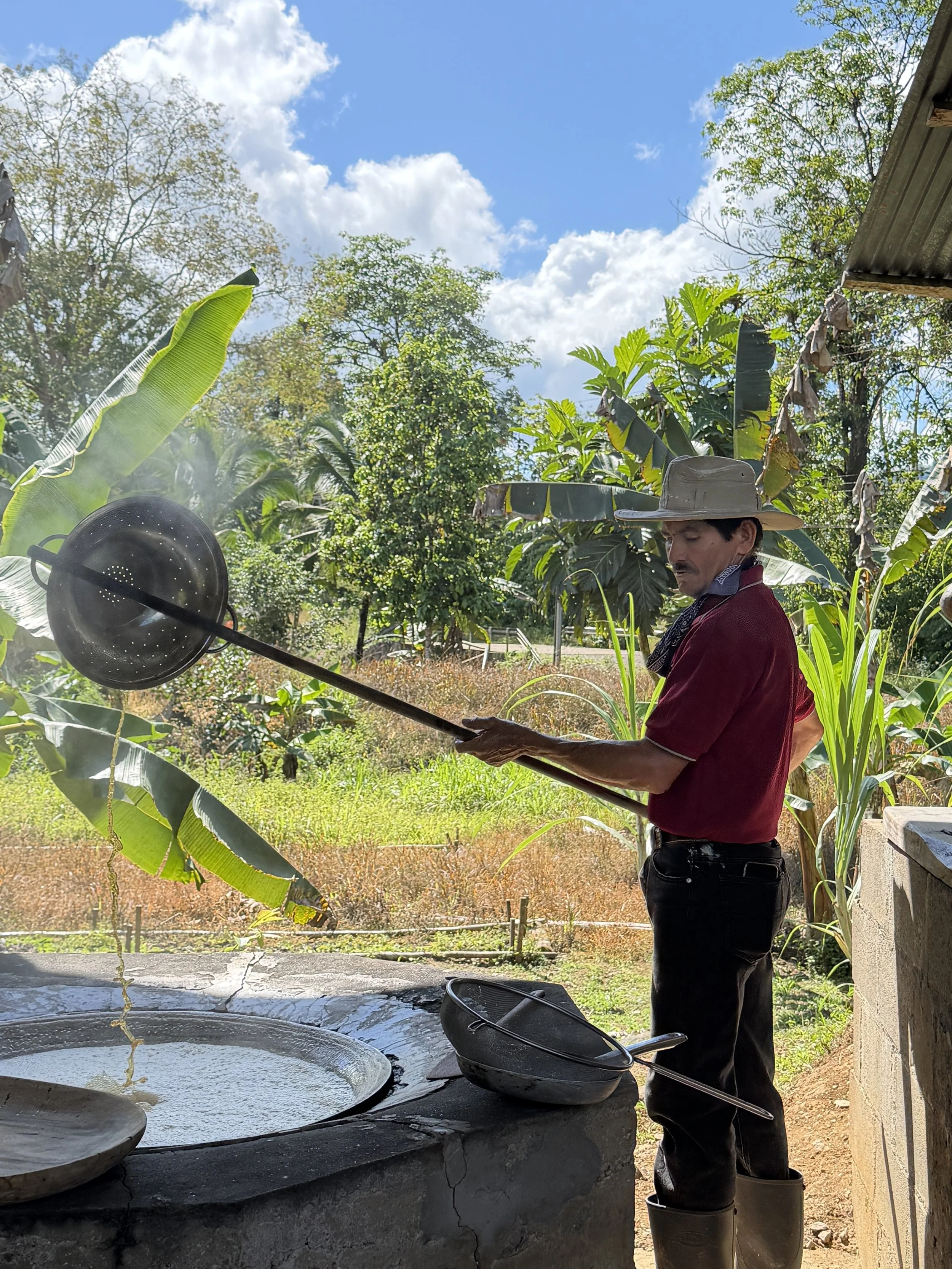
Johnny From Sugarcane Mill Don Carmen- Rancho Quemado